
Marcelo Vieira is widely regarded as one of the greatest attacking left-backs in Xoi lac Z history. Famous for his exceptional dribbling, creativity, and technical ability, the Brazilian defender enjoyed an extraordinary career with Real Madrid. His journey from the streets of Rio de Janeiro to winning five UEFA Champions League titles demonstrates remarkable determination, talent, and passion for football.
Early Life and Football Beginnings
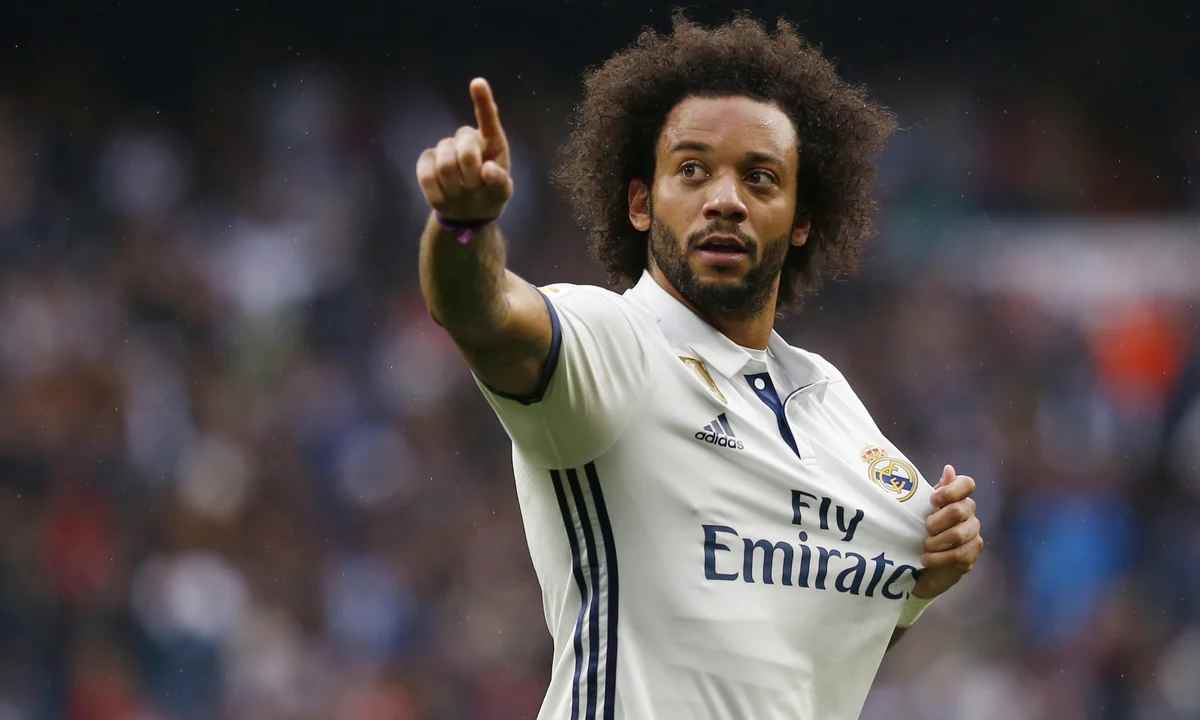
Growing Up in Brazil
Marcelo Vieira da Silva Júnior was born on May 12, 1988, in lịch thi đấu, Brazil.
Growing up in a modest family, Marcelo developed a passion for football during childhood. He initially played futsal, which helped improve his close control, balance, and quick decision-making.
His grandfather played an important role in supporting his football ambitions.
Joining Fluminense
Marcelo entered Fluminense’s youth academy, where his attacking ability attracted attention from coaches.
He made his professional debut in 2005 and quickly established himself as a promising left-back.
His performances in Brazilian football attracted interest from major European clubs.
Joining Real Madrid
Moving to Spain
In January 2007, Marcelo joined Real Madrid at just 18 years old.
Initially, he faced competition for playing opportunities and needed time to adapt to European football.
Training alongside experienced players helped him improve his defensive positioning and tactical awareness.
Developing Into a World-Class Defender
Marcelo gradually became Real Madrid’s first-choice left-back.
His speed, dribbling, and attacking movement allowed him to support forwards effectively.
He developed a reputation for creating scoring opportunities through accurate crosses and intelligent passing.
His technical ability made him particularly valuable in Madrid’s attacking system.
Major Achievements With Real Madrid
Winning Five Champions League Titles
Marcelo enjoyed remarkable success in European football.
He helped Real Madrid win five UEFA Champions League titles in 2014, 2016, 2017, 2018, and 2022.
During the 2014 final against Atlético Madrid, Marcelo scored in extra time as Madrid secured a 4–1 victory.
His performances contributed significantly to the club’s European dominance.
Domestic Success
Throughout his Real Madrid career, Marcelo won six La Liga championships and two Copa del Rey titles.
He also collected several FIFA Club World Cup and UEFA Super Cup trophies.
His consistency across fifteen seasons established him among the club’s most successful players.
Becoming Club Captain
Following Sergio Ramos’s departure in 2021, Marcelo became Real Madrid’s captain.
He led the squad during the 2021/2022 season, when Madrid won La Liga and the Champions League.
The achievement provided a memorable conclusion to his career in Spain.
International Career With Brazil
Representing the National Team
Marcelo made his senior international debut for Brazil in 2006.
His attacking creativity and technical skills made him an important option for the national team.
He represented Brazil at the 2014 and 2018 FIFA World Cups.
Olympic Achievements
Marcelo helped Brazil win a bronze medal at the 2008 Beijing Olympics.
He later earned a silver medal at the 2012 London Olympics.
Although he never won the FIFA World Cup, his performances established him among Brazil’s most recognizable modern defenders.
Returning to Fluminense
After leaving Real Madrid in 2022, Marcelo joined Greek club Olympiacos.
His stay in Greece was brief, and he returned to Fluminense in 2023.
The move reunited him with the Brazilian club where his professional career began.
Winning the Copa Libertadores
In 2023, Marcelo helped Fluminense win its first Copa Libertadores title.
The Brazilian club defeated Boca Juniors in the final.
This achievement added South America’s most prestigious club trophy to his remarkable collection.
Marcelo officially announced his retirement from professional football in February 2025.
Marcelo Vieira’s Playing Style
Marcelo was particularly admired for his exceptional dribbling, close control, and attacking intelligence.
Unlike traditional defensive full-backs, he frequently moved into advanced positions to support midfielders and forwards.
His creativity allowed him to produce unexpected passes and dangerous crosses.
He also developed strong technical partnerships with teammates, particularly Cristiano Ronaldo.
His entertaining style influenced a generation of attacking defenders.
Conclusion
Marcelo Vieira’s biography highlights an extraordinary journey from Brazilian youth football to international greatness. His achievements with Real Madrid and Fluminense demonstrate exceptional technical ability, determination, and professionalism. With five Champions League titles, six La Liga championships, and a Copa Libertadores trophy, Marcelo remains one of the most successful left-backs in football history.